
The Ultimate New Homeowner Checklist: What to Do After Closing
Closing day is behind you, the keys are officially in your hand, and an exciting new chapter has begun. While unpacking boxes is likely your top priority, taking a few proactive steps right now will protect your investment, ensure your family’s safety, and save you from major headaches down the road.
To help you seamlessly transition from buyer to established homeowner, we have put together the ultimate New Homeowner Community & Admin Checklist. This guide breaks down the essential safety, maintenance, and administrative tasks you should tackle during your first few weeks. Take it one step at a time, and welcome to the neighborhood!
The Ultimate New Homeowner Checklist
1. Safety & Security (First 24–48 Hours)
- Rekey or Change Exterior Locks: You have no way of knowing how many copies of the old keys are floating around from previous owners, contractors, or past agents.
- Locate and Label Main Shutoffs: Find the main water shutoff, gas shutoff, and electrical panel.
- Ensure everyone in the household knows exactly where these are in case of an emergency.
- Install Smoke & Carbon Monoxide Detectors: Replace old units entirely if they are past their expiration date (10 years for smoke, 5–7 years for CO). Place them on every level, inside every bedroom, and just outside sleeping areas.
- Buy and Strategically Place Fire Extinguishers: Keep at least one BC- or ABC-rated extinguisher on every floor, prioritizing high-risk areas like the kitchen, garage, and laundry room.
- Set Water Heater Temperature to 120°F (49°C): This is the ideal temperature to prevent dangerous bacteria growth (like Legionella) while preventing accidental scalding and reducing your energy bill.
2. Indoor Maintenance & Efficiency
- Replace HVAC Filters: Start your residency with a clean baseline to maximize airflow, improve indoor air quality, and protect your heating and cooling systems.
- Test the Sump Pump: Pour a bucket of water into the crock to ensure the float switch activates the pump and discharges water properly before the next heavy rain.
- Check and Clean the Dryer Vent Line: Ensure the duct running from the dryer to the exterior wall is completely free of lint buildup, which is a leading cause of household fires.
- Map Individual Electrical Breakers: Confirm that the labels on your electrical panel are accurate. Turn off breakers one by one to see exactly which outlets, lights, and appliances they control, and label them clearly.
3. Outdoor & Structural Upkeep
- Check Grading Around the Foundation: Ensure the soil, sidewalks, and patios slope away from the house (ideally a 6-inch drop over the first 10 feet) to prevent basement flooding.
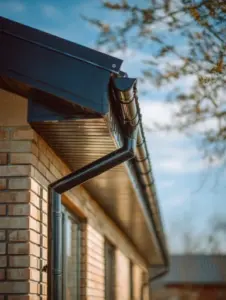
- Inspect Gutters and Downspouts: Verify that gutters direct water away from the foundation. Check that downspouts are clear and use extensions to funnel water at least 3 to 5 feet away from the walls.
- Confirm Exterior Hose Bibs Can Shut Off: In cold climates, locate the interior shutoff valves for your outdoor spigots, drain the lines before winter, and disconnect garden hoses to prevent burst and frozen pipes.
- Locate the Main Sewer Cleanout: Find the access point to your main waste line out to the street or septic tank so you can point it out quickly in a plumbing emergency.
- Inspect Trees for Overhanging or Dead Branches: Look for heavy limbs hanging dangerously close to your roofline, power lines, or driveway that could come down during a severe storm.
4. Local Government, HOA, & Community Ordinances
- Confirm Trash and Recycling Schedule: Find out your precise pickup days, how holiday weeks shift the schedule, bulk trash drop-off protocols, and seasonal yard waste rules.
- Understand Snow Removal Responsibilities: Look up local laws regarding municipal sidewalks. Most towns require paths to be cleared within a specific window (e.g., 24 hours) after a storm ends.
- Verify Property Lines and Easement Rules: Know exactly where your property limits are before building fences, planting privacy hedges, or clearing trees near the roadway.
- Review Local Permit Requirements: Research which projects (like structural decks, storage sheds, or major electrical updates) require a city or township permit before you hire a contractor.
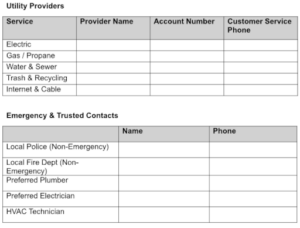
- Locate and Document Physical Utility Meters: Walk the exterior and basement of your property to locate your physical electric meter, gas meter/propane tank, and exterior water box. Note these locations on your contact sheet so you can easily guide utility workers or read them for billing disputes.

5. Home Administration & Document Organization
- Build the “Home Binder” Set up a dedicated physical binder (kept in a fireproof box) or a secure digital cloud folder to act as the single source of truth for your property.
- Inventory Appliance Model & Serial Numbers: Take photos of the data plates on the HVAC unit, water heater, stove, fridge, dishwasher, washer, and dryer. Save these to your binder.
- Centralize Warranties, Manuals, & Paint Colors: Gather all print manuals left behind, or download the digital PDFs. Add a database of information such as the brand and color names of the paint used throughout the house.
- Track Contractor Receipts: Save every receipt, invoice, and contract for capital home improvements. These protect active warranties and are crucial for adjusting your tax cost-basis when you eventually sell the home.
- Update Your Address: File a change of address with the USPS, and update your information for your driver’s license, voter registration, banks, and insurance policies.
Utility & Emergency Contact Sheet
Keep a copy of this on your refrigerator and in your Home Binder!