
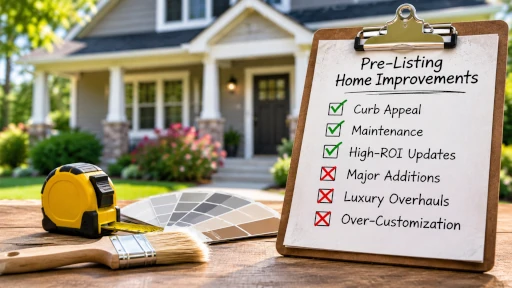
When preparing to sell a home, knowing where not to spend money is just as critical as knowing where to invest it. In real estate, financial success relies heavily on Return on Investment (ROI), which represents the percentage of a project’s cost recouped in added home value at closing. Sellers frequently fall into the trap of over-customizing, taking on massive additions, or completing expensive luxury overhauls right before listing, only to find buyers will not pay a premium for those choices. Industry metrics, such as the national Cost vs. Value Report, reveal that major structural additions and high-end cosmetic overhauls yield the lowest returns, while targeted maintenance, fresh curb appeal, and smart functional swaps deliver the highest payouts.
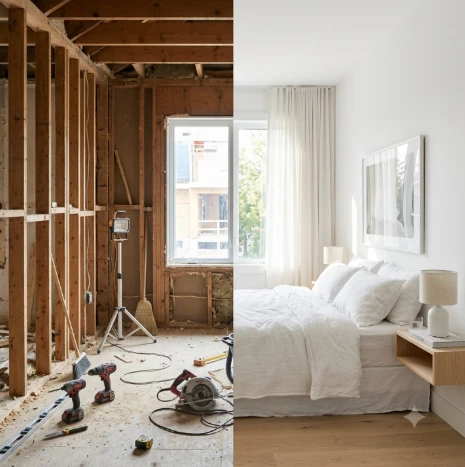
High-Cost Additions and Remodels to Avoid
According to the Cost vs. Value Report, major primary suite additions recoup only about 24% of their cost at resale due to high capital costs and overly personal design choices. Instead of building out new space, sellers should focus on creating bedroom serenity within the existing footprint by neutralizing walls, swapping heavy drapes for airy sheers, clearing under-bed clutter, and updating basic light fixtures or ceiling fans.
Similarly, the Cost vs. Value Report notes that high-end kitchen overhauls average a return of only about 38% because buyers pay for clean functionality rather than custom luxury finishes. A far smarter route is executing a countertop reset and deep clean routine, which includes degreasing range hoods, polishing existing counters, deep cleaning appliances, and clearing away 75% of surface clutter.
Installing an in-ground swimming pool right before selling often results in a net-negative return on investment and adds $3,000 to $5,000 in annual maintenance burdens that scare off safety-conscious or busy buyers, as real estate market analyses highlight. Sellers are much better off enhancing outdoor living with simple, low-cost curbside confidence fixes like laying fresh mulch, clearing walkway edging, and adding simple outdoor seating.
Converting a garage into living space is another costly mistake that destroys functional parking and storage while introducing zoning and appraisal risks. Preserve home value by maximizing garage utility: degrease concrete floors, clear loose items off the center floor, and organize tools or storage bins neatly along walls.

Layout Alterations and Specialized Spaces to Avoid
Real estate market data shows that removing a wall or closet to turn a spare bedroom into a walk-in dressing room or expanded home office directly lowers appraised value by reducing total bedroom count. To preserve value while showing off functionality, keep spaces flexible by staging a desk in a spare room while keeping closets intact and ensuring the room clearly accommodates a bed.
Elaborate landscaping with intricate water features and exotic gardens suggests heavy weekend labor to prospective buyers and rarely recoups installation costs. Sellers should opt for simple, clean outdoor touches like placing oversized planters with simple greenery by the front door, power washing walkways, sweeping the porch, and keeping lawns neatly trimmed.
Additionally, dedicated media rooms with built-in tiered seating restrict how buyers view the floor plan and yield a poor return on investment. Keeping living and basement spaces open and multi-functional by clearing loose wiring, neutralizing room lighting, and highlighting floor space allows buyers to project their own lifestyle onto the home.
High-End Fixtures and Utility Traps to Avoid
Purchasing an expensive solar array right before listing yields only about a 30% return on investment according to the Cost vs. Value Report, while real estate market analysis shows leased solar panels severely complicate closings if prospective buyers refuse credit checks or contract transfers. Sellers can achieve cost-effective energy appeal without transaction headaches by investing in smart thermostats, sealed windows, new HVAC filters, and updated LED lighting.
Boutique plumbing and designer fixtures are another trap because appraisers and buyers evaluate function, cleanliness, and overall style rather than designer labels, making $2,500 faucets a near 0% return investment. Installing stylish, mid-range trending finishes like matte black or brushed nickel from standard brands in the $250 price range achieves a fresh look without burning through cash reserves.
Furthermore, data from the Cost vs. Value Report indicates that high-maintenance luxury flooring like marble can actually decrease offer prices by around 2% because buyers view it as fragile, porous, and prone to staining. Sticking to durable, universally loved options like refinished hardwood or high-quality luxury vinyl plank is safer, or sellers can simply clean grout lines and repair chipped areas on existing tile.
The Three Guiding Principles of Pre-Sale Remodeling
Before spending a single dollar on pre-sale home improvements, sellers should run their plans through three core guidelines. First, prioritize high-return curb appeal, as first impressions set the valuation tone. Inexpensive exterior fixes such as replacing an outdated garage door (which the Cost vs. Value Report highlights as routinely yielding over a 100% return on investment), refreshing entryway paint, and power washing siding deliver broad appeal and top financial returns.
Second, prioritize basic maintenance over flashy cosmetic upgrades. Real estate market trends emphasize that buyers pay for peace of mind, so fixing leaky faucets, squeaky door hinges, burnt-out lightbulbs, and dirty air filters builds crucial buyer trust by demonstrating that the home has been meticulously cared for behind the scenes. Third, remember that broad appeal always wins. Neutral, functional, and well-maintained spaces attract the highest number of competitive offers because they allow buyers to easily envision making the home their own.

By aligning pre-listing decisions with these practical strategies, homeowners effectively protect their equity while maximizing resale potential. Avoiding low-ROI overhauls and focusing funds on broad-appeal maintenance ensures that every dollar spent yields a tangible return at the closing table.