

Finding a house is easy; finding a home is where the real magic happens.
It’s tempting to fall in love with polished granite countertops or the perfect paint color, but a home is far more than its finishes. It’s the backdrop to your daily life, the anchor of your routines, and the place where future memories will unfold. Before you commit to a floor plan, it’s worth pausing to consider how well a property aligns with the blueprint of your actual life. A great home doesn’t just shelter you—it fits you.
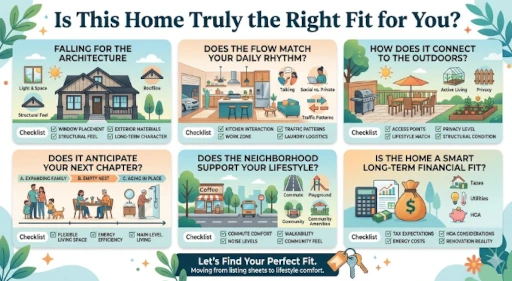
1. Falling for the Architecture
Before you dive into the functional layout, take a moment to appreciate the bones and character of the house. Architectural elements are the features you’ll live with the longest, shaping your visual experience every day. Trends come and go, but the core structure is what truly anchors a home.
- The Power of Light and Space — Notice how the windows frame the views and how natural light moves through the rooms. Grand cathedral ceilings and striking dark beams can dramatically shift the energy of a space.
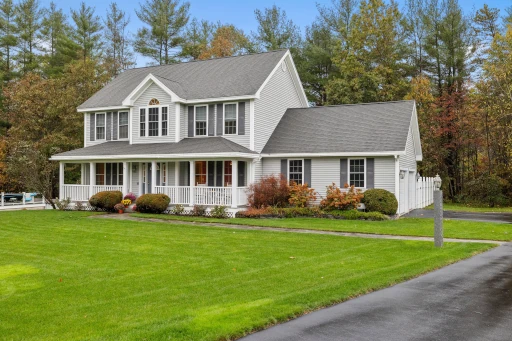
- The Exterior Statement — Architecture sets the tone before you even step inside. Whether you’re drawn to clean modern lines with dark metal roofing and black window frames, or the timeless, texture-rich appeal of craftsman siding, the exterior should feel like “you” the moment you pull into the driveway.
Architectural Vibe Checklist
- Window placement — Does it maximize natural light where you need it most?
- Structural feel — Do the roofline and ceiling heights create the atmosphere you want?
- Exterior materials — Do you genuinely love the permanent architectural style?
- Long-term character — Will the structure still feel right once the staging is gone?
2. Does the Flow Match Your Daily Rhythm?
A layout that looks stunning on paper can feel frustrating if it works against your habits. The flow of a home should feel intuitive, supporting your work, play, and rest without effort.
- Social vs. Private Spaces — If you love hosting, an open kitchen that connects to the living and dining areas keeps you part of the action. If you crave quiet, look for floor plans that separate busy common areas from peaceful bedrooms.
- The Practical Crossings — Think about the logistics of your week. How far is the walk from the garage to the pantry with groceries in hand? Is there a mudroom to catch shoes, coats, and bags before they spill into the living room?
Daily Flow Checklist
- Kitchen interaction — Can you cook while staying connected to family or guests?
- Work zone — Is there a dedicated, quiet corner for work?
- Traffic patterns — Are high‑traffic pathways logical and convenient?
- Laundry logistics — Is the laundry room placed where it makes sense?
3. How Does It Connect to the Outdoors?
A home doesn’t end at the back door. The transition between indoor and outdoor spaces plays a major role in how large and livable a property feels. Your exterior environment should function as a natural extension of your square footage.
- Active Living vs. Quiet Retreat — Some people want a sun‑filled deck for summer gatherings; others dream of a peaceful greenhouse or raised garden beds.
- Maintenance Reality — Be honest about upkeep. A sprawling lawn offers privacy but demands time. If you’d rather spend weekends relaxing than mowing, a low‑maintenance yard may be the better fit.
Outdoor Alignment Checklist
- Access points — Is there seamless access from main living areas to the outdoors?
- Lifestyle match — Does the yard support your hobbies, pets, or relaxation style?
- Privacy level — Does the property offer the privacy you want?
- Structural condition — Are decks, patios, and fences in good shape?
4. Does It Anticipate Your Next Chapter?
A perfect home fits who you are today and who you’ll become tomorrow. Life evolves, and your home should be able to evolve with it.
Chapter A: The Expanding Family
If you’re planning for growth, flexibility and safety matter.
- Bedroom proximity — Are bedrooms close enough for young children but private enough later on?
- Flexible living space — Can a bonus room shift from playroom to teen hangout?
- Outdoor safety — Is the yard flat and secure for active play?
Chapter B: The Shrinking Family (Empty Nest)
When kids move out, your needs shift.
- Repurposing rooms — Can extra bedrooms become hobby spaces or guest suites?
- Manageable square footage — Is the home easy to maintain?
- Energy efficiency — Can you close off unused zones to save on utilities?
Chapter C: Aging in Place Gracefully
A home should support independence at every stage.
- Main‑level living — Is there a primary bedroom and bathroom on the main floor?
- Accessible entry — Are entryways zero‑step or easily modified?
- Mobility‑friendly layout — Are hallways and doorways wide enough for future needs?
- Bathroom adaptability — Can the bathroom accommodate grab bars or a walk‑in shower?
5. Does the Neighborhood Support Your Lifestyle?
A home doesn’t exist in isolation. The surrounding community shapes your daily experience just as much as the floor plan.
- Commute & Convenience — How long will your daily commute be? Are grocery stores, parks, and essentials close by?
- Noise & Activity Levels — Do you prefer a quiet street or a lively neighborhood? Visit at different times of day to get a true feel.
- Walkability & Recreation — Are sidewalks, trails, or community amenities easily accessible?
- Schools & Services — Even if you don’t have children, school districts influence long‑term resale value.
- Community Vibe — Does the neighborhood feel welcoming, safe, and aligned with your lifestyle?
Neighborhood Fit Checklist
- Commute comfort — Does the location support your daily schedule?
- Noise levels — Is the environment peaceful enough for your preferences?
- Walkability — Can you walk to parks, shops, or trails?
- Community feel — Does the neighborhood feel like a place you’d enjoy living?
6. Is the Home a Smart Long‑Term Financial Fit?
Beyond the purchase price, a home carries ongoing financial responsibilities. Understanding them upfront helps ensure long‑term comfort and stability.
- Property Taxes — Are taxes stable, rising, or unusually high for the area?
- Utilities & Energy Efficiency — Older homes may have higher heating and cooling costs.
- HOA Fees — If applicable, do the fees match the amenities and services provided?
- Maintenance & Renovation Needs — Does the home require immediate updates or major repairs?
- Insurance Costs — Location, age, and condition of the home can impact premiums.
Financial Fit Checklist
- Tax expectations — Are taxes manageable long‑term?
- Energy costs — Will utilities be predictable and affordable?
- HOA considerations — Do fees align with your budget and lifestyle?
- Renovation reality — Are upcoming repairs within your comfort zone?
Let’s Find Your Perfect Fit
A great property checks boxes on a listing sheet. A true home checks the boxes of your lifestyle, your architectural taste, your neighborhood preferences, your financial comfort, and your long‑term peace of mind.
If you’re ready to look past the staging and find a home that truly fits the way you want to live, today and in the years ahead. Let’s start the conversation.